




How to Choose the Best Dog Leash: A Complete Guide for Pet Owners
July 22, 2026
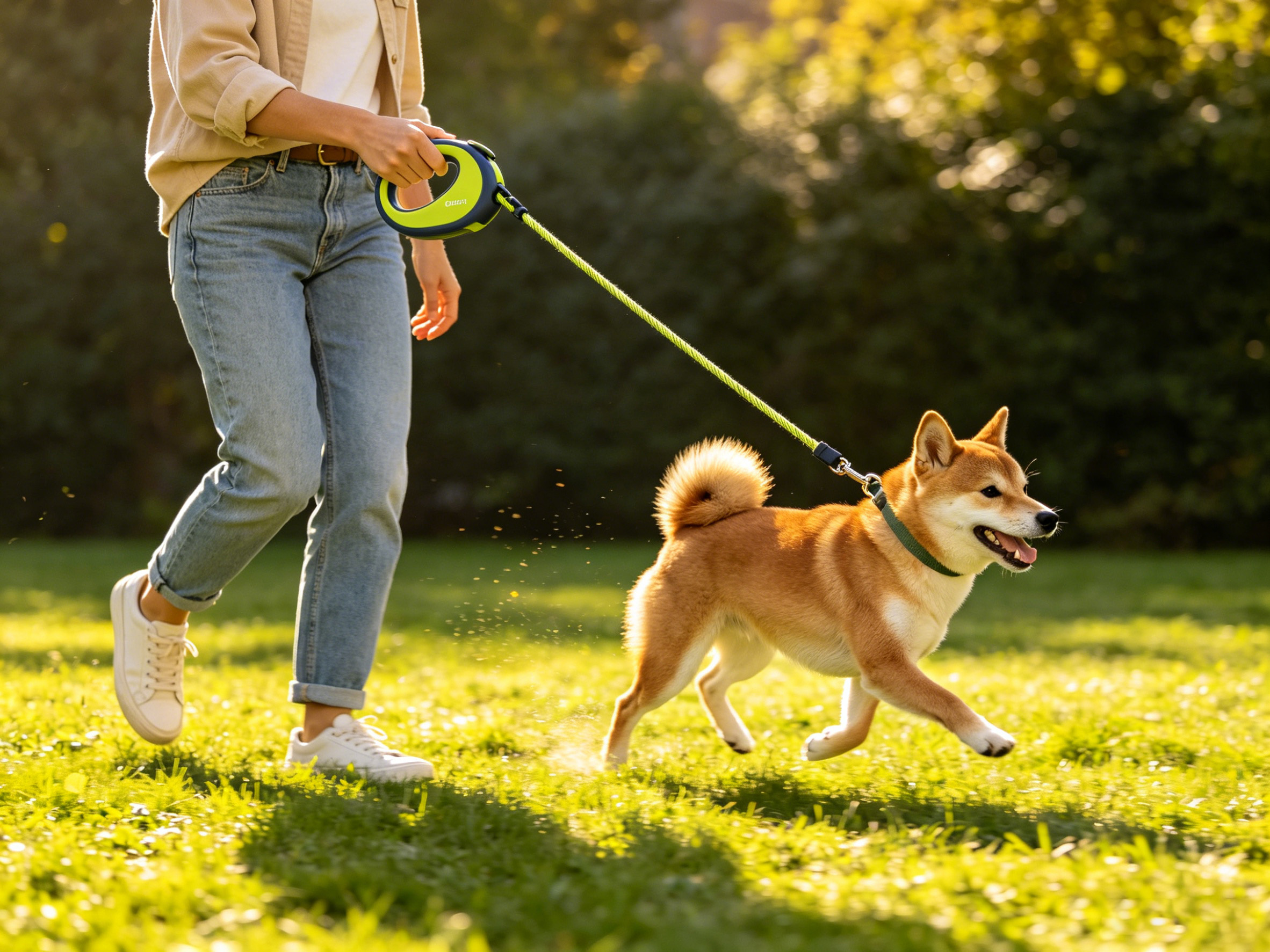
We have all been there: you are enjoying a peaceful morning walk, and suddenly, your dog spots a squirrel. In a split second, you are dragged across the pavement, your hand is burning, and your cheap nylon leash feels like it is about to snap. Choosing the right dog leash is not just about keeping your pet from running into traffic; it is about ensuring safety, comfort, and a stress-free bonding experience for both of you.
If you are wondering how to choose a dog leash that actually works for your furry friend, you are in the right place. In this guide, we will break down the essential factors to consider before buying, explore the best options for different scenarios, and share some pro tips to elevate your daily walks.
Key Factors to Consider Before Buying
Not all leashes are created equal. Before hitting that "Add to Cart" button, consider these three critical elements:
1. Material Matters
The material determines the durability and feel of the leash.
●
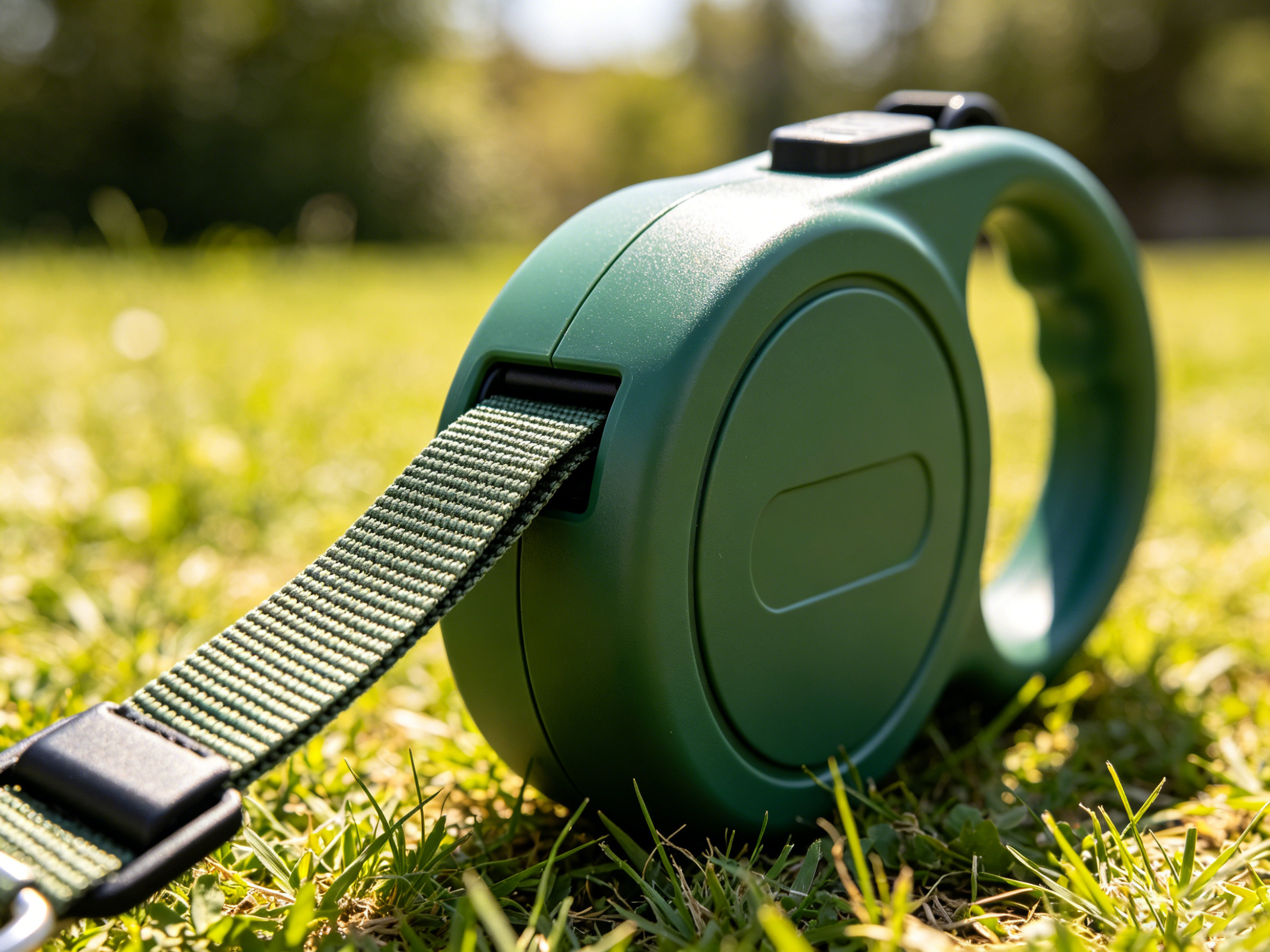
Nylon: Lightweight, affordable, and available in endless colors. Great for everyday use, but can cause rope burn if your dog pulls heavily.
●
Leather: A premium choice that is incredibly durable and softens over time. It offers a great grip but requires maintenance and is usually pricier.
●
Chain or Metal: Ideal for aggressive chewers or heavy pullers, though they can be heavy to carry for long periods.
2. Length and Width
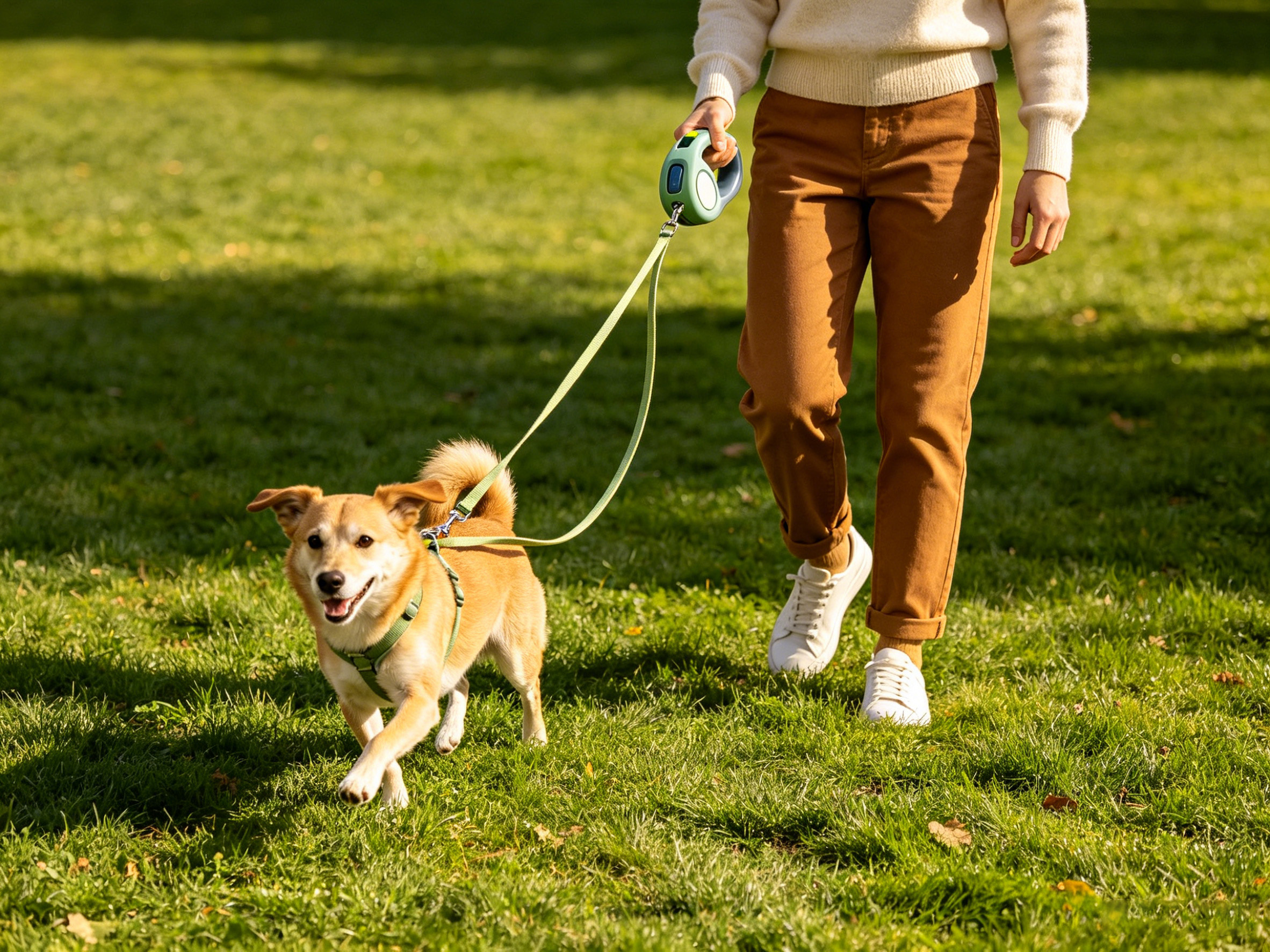
The size of the leash should match your dog’s breed and your walking environment. Standard leashes are typically 4 to 6 feet long, offering optimal control in busy areas. For open parks, a longer line gives your dog more freedom to sniff. Crucially, the width must correspond to your dog's weight; a thin leash might snap under the pressure of a large breed.
3. Handle Comfort
Never underestimate the importance of a padded handle. A comfortable padded handle distributes pressure evenly, preventing blisters and hand fatigue during long hikes or when managing a strong puller.
Top 3 Dog Leashes for Different Walking Scenarios
Finding the best dog leash depends entirely on where and how you walk. Here are our top recommendations based on real-world scenarios:

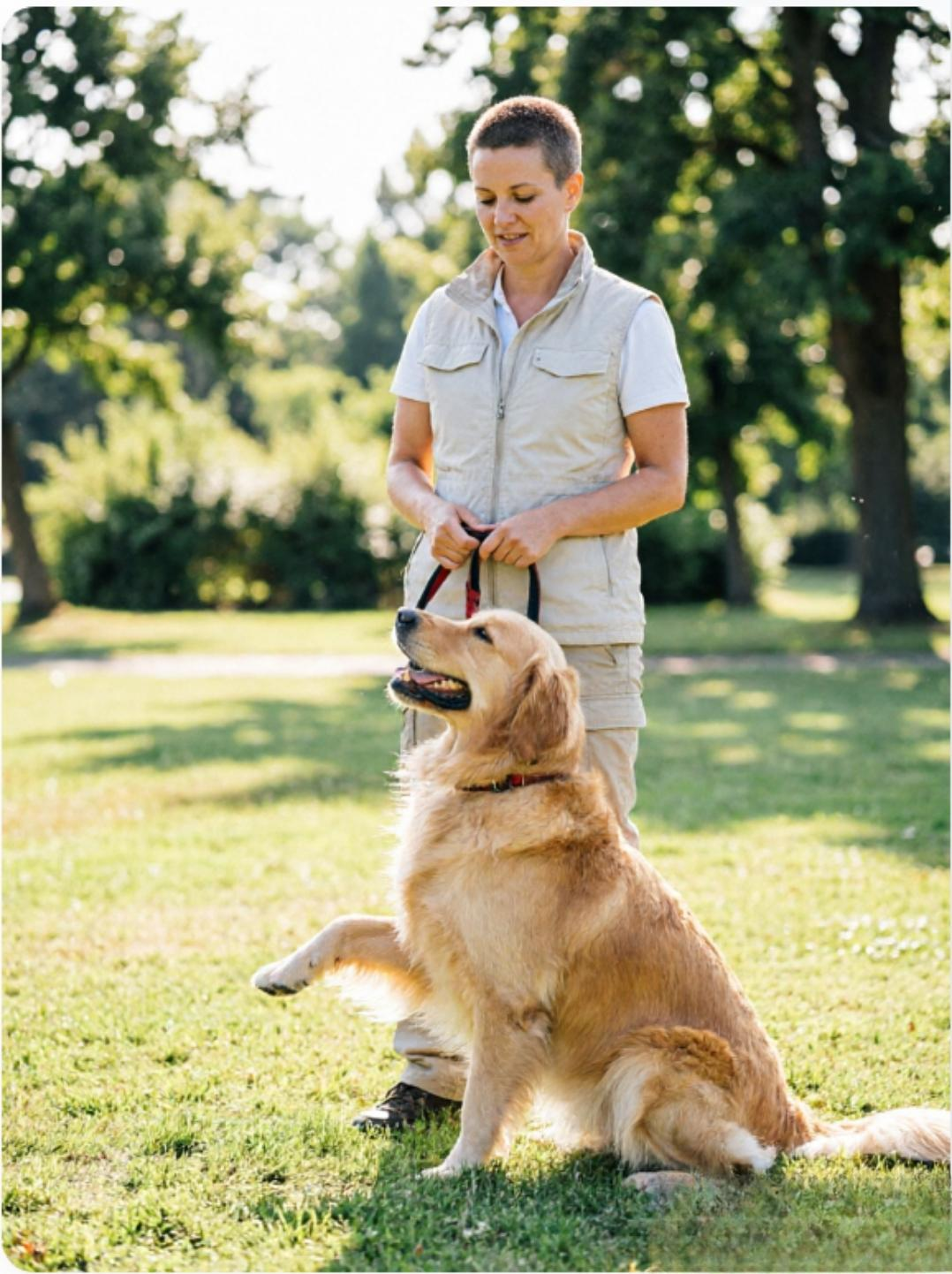
City Commuting & Busy Streets
For urban environments, control is your best friend. We recommend a standard 4-to-5-foot nylon or leather leash. Avoid retractable leashes in the city, as the extended cord can easily tangle with pedestrians, cyclists, or street signs. Look for models with reflective stitching for added visibility during night walks.
Outdoor Hiking & Trail Running
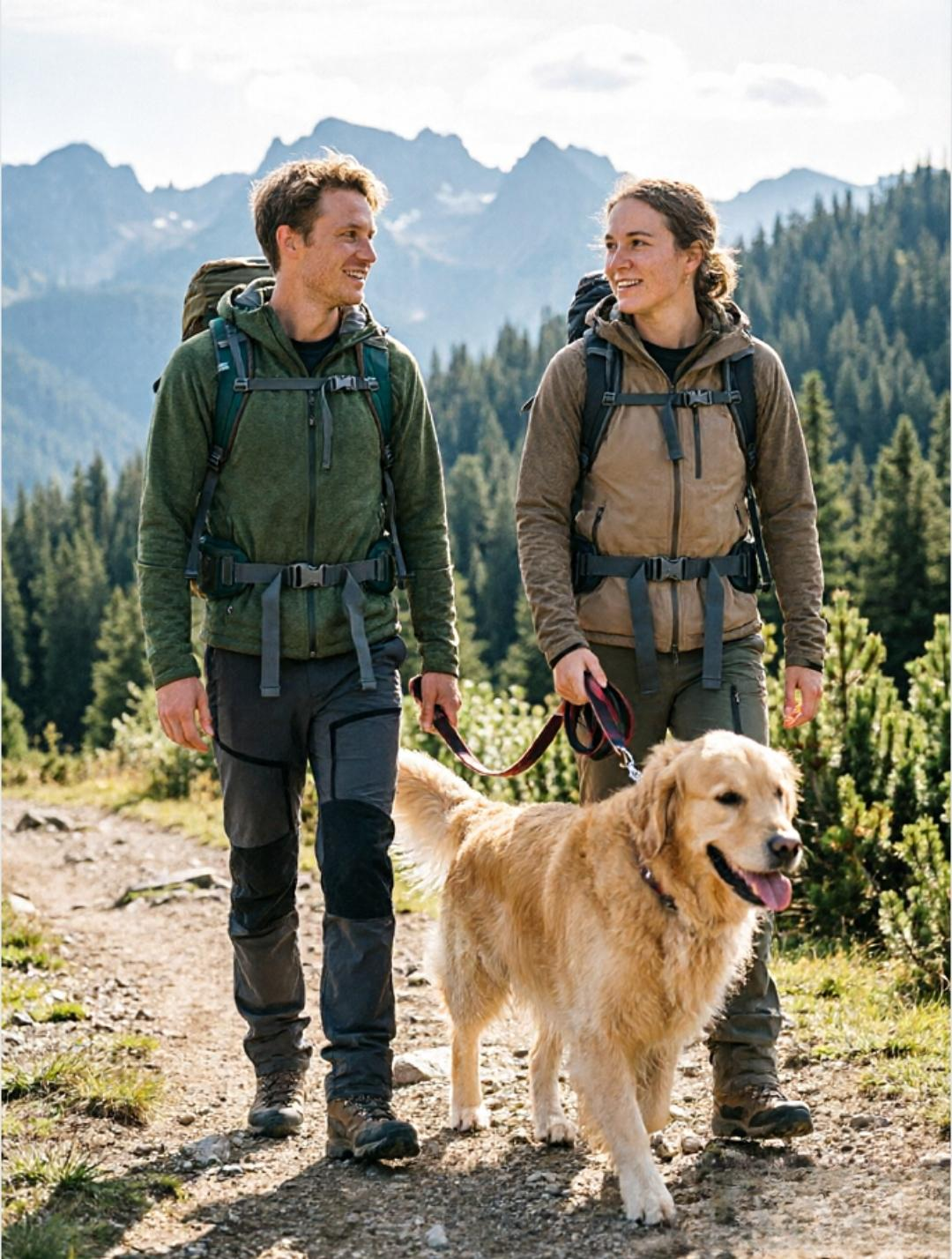
When hitting the trails, you need durability and shock absorption. A heavy-duty dog leash with a built-in bungee section is a game-changer. The elastic buffer absorbs sudden jerks when your dog lunges, protecting both your shoulder and your dog's neck. Additionally, a hands-free dog leash that clips around your waist is perfect for hikers who need to use trekking poles or carry gear.
Training & Behavioral Correction
If you are working on leash manners, opt for a dedicated no-pull dog leash. These often feature dual clips or front-clip harness compatibility to gently redirect your dog’s momentum. Keep the length shorter during training sessions to maintain clear communication and immediate feedback.
Common Mistakes Pet Owners Make
Even with the best gear, bad habits can ruin a walk. Here are two mistakes we frequently see:
1. Using the Leash as a Punishment: Yanking the leash aggressively creates anxiety and makes your dog associate walks with stress. Instead, use positive reinforcement and a no-pull harness to teach loose-leash walking.
2. Ignoring Wear and Tear: Leashes endure immense stress. Regularly inspect the stitching, clips, and fabric for fraying. A compromised leash is a safety hazard waiting to happen. Replace it at the first sign of significant wear.
Frequently Asked Questions (FAQ)
Q: What is the best leash length for a Golden Retriever?
A: For a medium-to-large breed like a Golden Retriever, a standard 5-to-6-foot leash with a width of at least 1 inch is ideal for daily walks. It provides enough room to explore while keeping them safely by your side in traffic.
Q: Are retractable leashes safe?
A: They can be safe in wide-open, empty spaces, but they are generally not recommended for busy areas. The thin cord can cause severe friction burns, and the locking mechanism can fail under the sudden force of a large dog.
Q: How do I stop my dog from pulling?
A: Combine a no-pull harness with consistent training. Stop walking the moment your dog pulls, and only resume when the leash is slack. Consistency is key to teaching them that pulling gets them nowhere.
Conclusion & Action
Choosing the right leash is an investment in your dog's safety and your daily peace of mind. Whether you need a heavy-duty shock-absorbing leash for mountain trails or a sleek, padded leash for city strolls, having the right gear makes all the difference.
Ready to upgrade your walking gear? [Explore Our Premium Dog Leash Collection] today and enjoy 10% off your first order with code WALK10. Give your dog the freedom they deserve, safely!